
About Scott
I have always been interested in what people become when more is asked of them.
I work with organizations, teams and leaders at points where familiar strengths are no longer quite enough for what comes next. Sometimes the work concerns strategy or culture. Sometimes it involves a leadership team, a development program or one person facing a consequential transition. What interests me is the relationship among them: how organizations shape people, how people shape organizations and how both can become capable of more.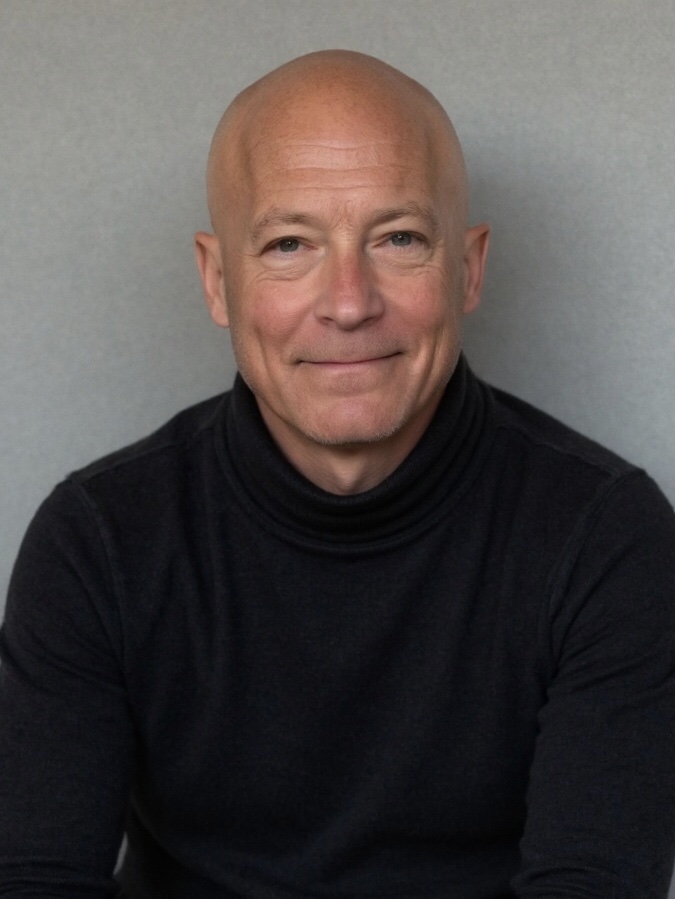
An unconventional route
I left university after studying philosophy and biology, then pursued a less conventional education—starting a small business, working in remote camps and assorted trades, climbing and skiing across western North America, and reading widely in ecology, philosophy, mysticism and literature. When I arrived at Outward Bound, I felt as though I had come home. It brought together adventure, reflection and learning through experience—threads that have continued through my work ever since. The purpose was not to guide people through every challenge. It was to create the conditions in which they could discover and develop enough capacity to meet challenges themselves. That principle stayed with me.Consulting, entrepreneurship and the long way around
In 1992, I joined a small consulting firm in West Vancouver. I worked on organizational and leadership assignments, including an extensive initiative that helped an international resort developer turn its distributed experience into shared processes, resources and learning. In 1999, I left, took my children out of school, sublet our home and travelled with my family for a year. When we returned, I briefly considered small-scale farming. Consulting won, though the garden has been mounting a patient counterargument ever since. I began an independent practice in 2000. My first client was a young environmental consultancy of about 25 people. Our relationship continued in different forms as the firm grew beyond 250—an early lesson in how trusted work can evolve as a client’s needs and capabilities change. Along the way, I also helped start two very different businesses. StoryLab used customer research, archetypes, narrative and a deep understanding of place to help development teams imagine places that did not yet exist. The resulting stories gave architects, developers, marketers and others a shared foundation for decisions that would unfold over many years. I later co-founded an early SaaS company designed to support collective thinking. We raised angel investment and developed the first version of the product that became ThoughtExchange. That experience taught me a great deal about entrepreneurship, partnership, power and the personal costs that can accompany ambition. I eventually left when I realized that continuing would require me to lead in ways inconsistent with who I wanted to be. Both ventures gave me something consulting alone could not: firsthand experience of building organizations, selling uncertain ideas, raising money, navigating partnership and making difficult choices when business ambition and personal values pull in different directions.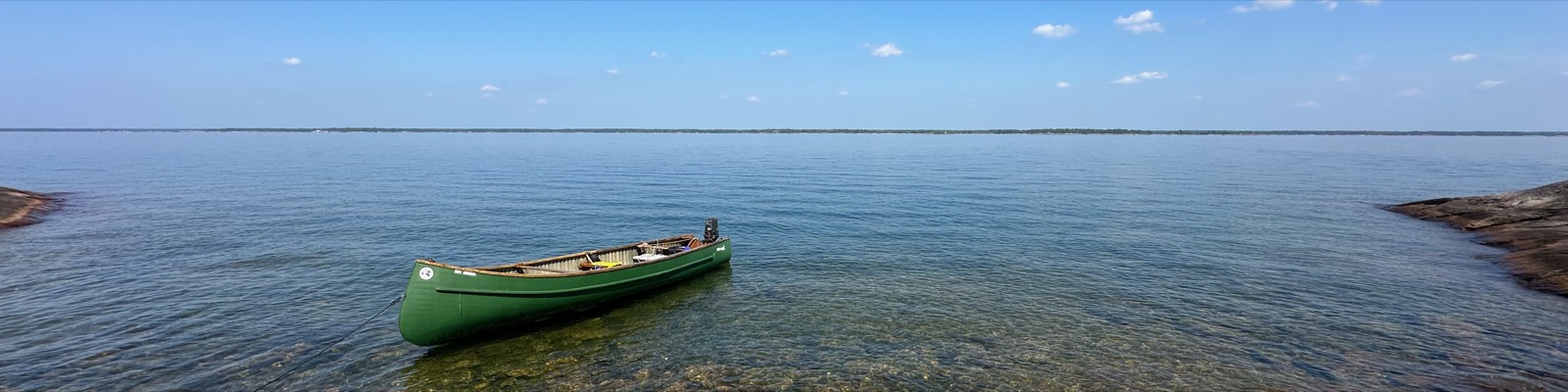
How I think about the work
The visible problem is rarely the whole problem. A strategy question may also be a leadership question. A team problem may be reinforced by organizational structures. An executive’s behaviour may make sense when understood as part of a successful pattern that has reached its limits. I tend to see these connections quickly. That does not mean arriving with the answer. It means asking questions that help people see more of their situation, test their assumptions and recognize possibilities that were difficult to see from inside it. My work draws from strategy, organizational development, adult personal development, leadership learning, systems thinking and coaching. I am less interested in the borders among those disciplines than in using what helps.How I work
Curious before certain
I bring experience and a point of view, but I do not assume that a familiar-looking situation has a familiar answer.Direct without needing to dominate
I am comfortable asking difficult questions and working with senior people. I do not need to win the room or be the smartest person in it.Serious about the work, less formal about myself
I value rigour, preparation and clear thinking. I also like warmth, humour and people who enjoy one another. Consequential work does not need to be solemn.Committed to the people involved
Organizations are human systems, not organizational diagrams with ‘boxes’ to be filled and managed. I care about the consequences of the work for the people expected to live and work with it.Trying to become unnecessary
My goal is to help clients develop the understanding, judgment and capability to continue without me. The aim is not to hold on to work indefinitely. It is to leave something useful behind—and remain someone clients may choose to call when a genuinely different challenge emerges.
Why Shore Group
The name began quite literally. I live and work on Vancouver’s North Shore, and many of the people with whom I most wanted to collaborate were here too. Over time, the shore also became a useful metaphor for the work: a threshold between familiar ground and a more fluid, changing world; a place of arrival, departure and journeys into what is not yet known. Shore Group is led by me. Clients work directly with me. When an assignment requires experience or capacity beyond my own, I engage trusted collaborators around the work rather than presenting them as a permanent team. Clients should be clear about whom they are hiring while knowing that a broader group can be assembled when the work requires it.Selected qualifications
- Associate Certified Coach (ACC), International Coaching Federation
- Certified practitioner, Leadership Circle Profile
- Qualified or certified to use the Strengths Deployment Inventory, ExperienceChange and Myers-Briggs Type Indicator